Is BRTC ready to operate Bangladesh's new electric bus fleet?
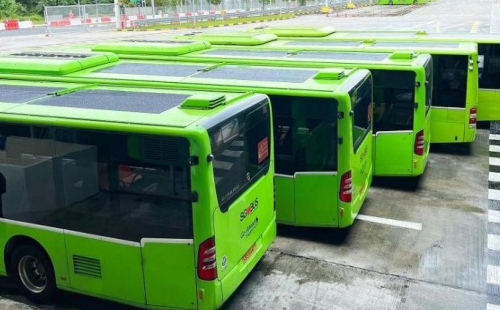
Bangladesh is preparing to introduce hundreds of
electric buses into its public transport system, but questions remain over
whether BRTC is equipped to operate and maintain the specialised fleet.
The state-owned operator has a history of
high-end buses falling out of service well before the end of their expected
lifespan.
BRTC says it is upgrading workshops and
preparing charging and maintenance infrastructure for the transition.
BRTC's previous experience with high-end bus
fleets has raised concerns about its readiness to manage electric buses.
In 2002, the corporation procured 50
double-decker Volvo buses at Tk1.26 crore each. The high-comfort buses were reduced
to scrap within six to seven years.
In 2011, BRTC received 255 Daewoo buses, more
than 100 of which became inoperable within seven years.
The corporation eventually withdrew its
air-conditioned service between Dhaka and Narayanganj, while private operators
expanded their AC fleets to meet growing demand.
Transport experts have questioned whether BRTC
can avoid a similar outcome with electric buses, which require specialised
charging infrastructure, maintenance facilities, equipment and trained personnel.
Shamsul Hoque, a civil engineering professor at
Buet, said BRTC should not be the main platform for the government's plan to
electrify public transport.
"BRTC has previously imported buses, but
most of those fleets failed to reach their lifespan. Buses imported from India
did not last, and neither did those from South Korea," he said.
Prof Shamsul said the corporation often leases
out buses instead of maintaining them effectively, adding that there was no
integrated plan covering depots, parking, maintenance and repairs.
"Simply buying buses will not be
enough," he said. "There is no integrated plan covering where depots
will be located, where buses will be safely parked and how they will be
maintained and repaired."
He said the government should conduct a
comprehensive process audit of previous BRTC projects before assigning the
corporation another major fleet project.
"It needs to examine how the services
performed, what went wrong and why the buses failed to last," he said.
BRTC, however, says it has strengthened its
financial discipline and governance and is now capable of covering its costs
from its own earnings.
According to its latest annual report, the
corporation has reopened its integrated workshop in Gazipur with modern
equipment and upgraded other workshops to extend vehicle lifespans and
facilitate vehicle assembly.
BRTC officials said the corporation currently
has around 1,250 buses, about 700 of which are old.
Without new procurement, the operational fleet
could shrink to around 550 by 2026, potentially worsening the public transport
shortage.
Md Abu Bakar Siddique, deputy general manager
(planning) at BRTC, said a feasibility study by Buet is under way to determine
the number and locations of charging stations, workshops and other facilities.
"The charging stations, depots and
maintenance facilities could be developed anywhere in the country, based on the
findings of the feasibility study," he said.
RHD Secretary Mohammed Ziaul Haque said the
procurement would also be phased, with the first 100 buses planned in two
batches of 50 by December.
"The business model for electric buses will
also be different from BRTC's existing models so that this initiative does not
meet the fate of the Volvo and articulated bus projects," he said.