Govt prioritises Cumilla-Dhaka rail corridor, energy projects: Salahuddin
The government has planned several mega projects in the
transport and energy sectors, including the top-priority Cumilla-Dhaka rail
corridor, expanding the Matarbari deep-sea port and boosting domestic gas
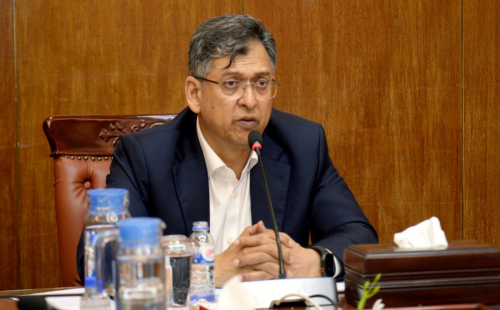
exploration, Home Minister Salahuddin Ahmed said yesterday (7 August).
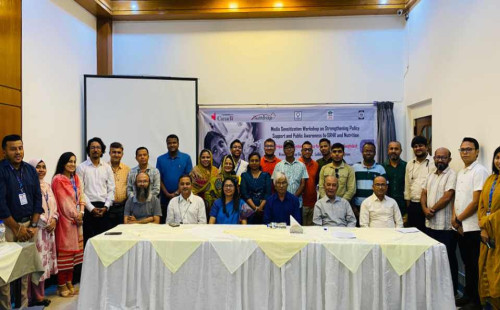
Speaking at an event marking the
27th founding anniversary of the Chattogram Journalist Forum Dhaka at the
All Community Club in Gulshan, he said the Cumilla-Dhaka chord line had been
prioritised after discussions with Prime Minister Tarique Rahman.
The proposed dual-gauge double-line
nonstop corridor would strengthen Dhaka's connectivity with the eastern railway
network and reduce travel time between Cumilla and Dhaka from the current three
to three and a half hours to around two hours, he said.
Salahuddin said the government was determined to implement the project, which
had remained under discussion for years.
On energy infrastructure, he said
the Matarbari deep-sea port channel would be deepened from 16 metres to 18
metres to allow larger mother vessels to berth directly at the jetty. A
separate channel is also planned for a land-based terminal.
Although Japan withdrew from plans
to build Matarbari's third and fourth coal-fired power units, Bangladesh has
decided to implement the projects on its own. Construction could begin early
next year.
The government has also decided to
install two floating storage and regasification units (FSRUs) at Sonadia under
a government-to-government arrangement with China. Another unit will be
installed at the Single Point Mooring facility to store an additional 100,000
tonnes of refined fuel oil.
Salahuddin said land-based LNG
terminals would be developed in Chattogram, Mongla and Payra to reduce
dependence on a single source and strengthen energy security.
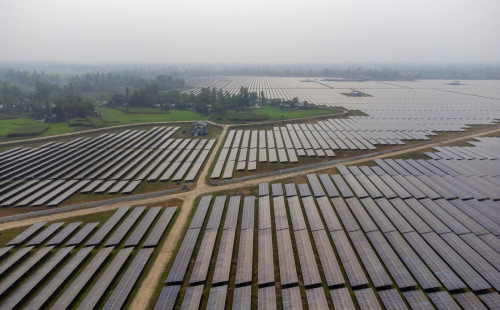
The government aims to generate
5,000-10,000MW of renewable power by 2030 while pursuing a diversified energy
policy.
The minister said gas exploration
would also be intensified onshore and offshore to strengthen long-term energy
security.