Border killing segment removed from July Museum, Nahid alleges
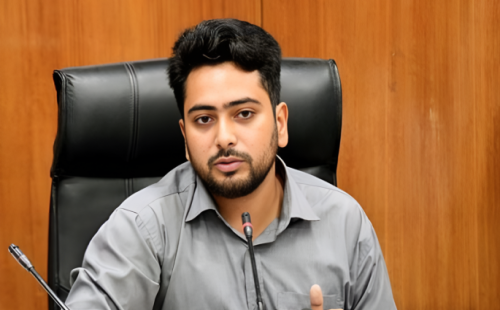
National Citizen Party (NCP) convener Nahid Islam today (8
August) alleged that the segment on killings along the Indian border and the
list of Bangladeshis who died in such incidents, which existed in the July
Memorial Museum during the interim government's tenure, has been removed under
the current government.
"The list of Bangladeshis
killed in border shootings and the memorial for Felani have been removed from
the museum. Meanwhile, the current government has increased its own
party-related content," Nahid told reporters after visiting the museum
this morning.
He said during the rule of ousted
prime minister Sheikh Hasina, all authoritarian decisions, including looting of
people's money, used to be taken from Ganabhaban.
The interim government had planned to convert the building into a museum.
"We spoke extensively both in
parliament and outside for the museum to be opened to the public. I had visited
here before as well. Some changes have been made by the government after the
elections," Nahid said.
He further alleged that the segment
on border killings, memories of the massacres at the border, and recollections
of the anti-Modi movement have all been removed from the museum, while the
BNP's movements and struggles have been given comparatively more prominence.
"The museum should not become a place for practising party-based history.
It should remain a place for practising national history."
Commenting on the removal of
anti-India content from the museum, Nahid said India was complicit in the
fascism that prevailed in Bangladesh over the past 16 years. "BNP is
perhaps afraid of India. The government thinks doing this will help maintain
good relations with India. The issue is not about having good or bad relations
with India; the relationship must be one of dignity."
The NCP convener said the memories
preserved from the July uprising should be showcased in greater detail,
following a timeline covering contributions from various districts,
universities, private universities and madrashas.